
 08092756424

Super El Niño and Extreme Heat:

Super El Niño and Extreme Heat: How Nigerians Can Protect Their Health
By Pharmacist Winnie Emeh
Why Should We Take Extreme Heat Seriously?
Hot weather is more than an inconvenience. From commuting in traffic to working in markets, farms and construction sites, many Nigerians spend hours exposed to heat, often with limited access to clean water, shade or reliable electricity.
Concerns about a potentially strong El Niño event in 2026–2027 have renewed attention to extreme heat and changing weather patterns. However, its precise effects on Nigeria remain uncertain. Nigerians are advised to monitor local forecasts from the Nigerian Meteorological Agency (NiMet) rather than rely on sensational claims.
Protect yourself from the heat before it affects your health.
How Extreme Heat Affects the Body
The body cools itself by sweating, but excessive sweating causes the loss of water and electrolytes, including sodium and chloride. When these losses are not adequately replaced, dehydration can occur.
Common Warning Signs
- Excessive thirst and dry mouth.
- Headache, dizziness and unusual tiredness.
- Dark urine or reduced urination.
- Muscle cramps and weakness.
Heatstroke is a life-threatening emergency that may cause confusion, seizures or collapse.
Extreme heat can also worsen existing conditions, particularly heart and kidney disease, and may pose additional risks to pregnant women, children, older adults and people taking specific medications.
Eight Ways to Protect Yourself from Extreme Heat
1. Drink Water Regularly
Carry safe drinking water and drink throughout the day, especially when travelling or working outdoors. If you have a medical condition requiring fluid restriction, follow your healthcare professional’s advice.
2. Avoid Peak Heat Where Possible
Schedule strenuous activities for early morning or later in the evening. Take frequent breaks in shaded or cooler places.
3. Dress for the Weather
Wear loose-fitting, lightweight clothing and use a hat or cap for outdoor protection.
4. Keep Your Surroundings Cool
Improve ventilation, block direct sunlight with curtains and take cool showers when necessary. Never leave children or vulnerable people in parked vehicles.
5. Eat Balanced Meals
Fruits, vegetables and regular meals help provide water and essential nutrients. Store food safely because high temperatures can accelerate spoilage.
6. Look Out for Others
Check on children, older relatives, pregnant women, neighbours living alone and people who work outdoors.
7. Follow Reliable Weather Updates
Monitor NiMet weather forecasts and official public health advisories. Do not wait for a formally declared heatwave before taking precautions.
8. Use Garylyte ORS to Help Replace Lost Fluids and Electrolytes
Water is usually sufficient for everyday hydration. However, prolonged or heavy sweating can lead to significant fluid and electrolyte losses, making appropriate rehydration important.
Garylyte Oral Rehydration Salts (ORS) may help replace fluids and electrolytes when rehydration is needed. It combines glucose and electrolytes to support the absorption of water and sodium in the intestine.
Although ORS is widely used to manage dehydration caused by diarrhoea, it may also be appropriate in selected cases of substantial fluid loss associated with excessive sweating. It does not prevent or treat heatstroke and must not delay emergency medical care.
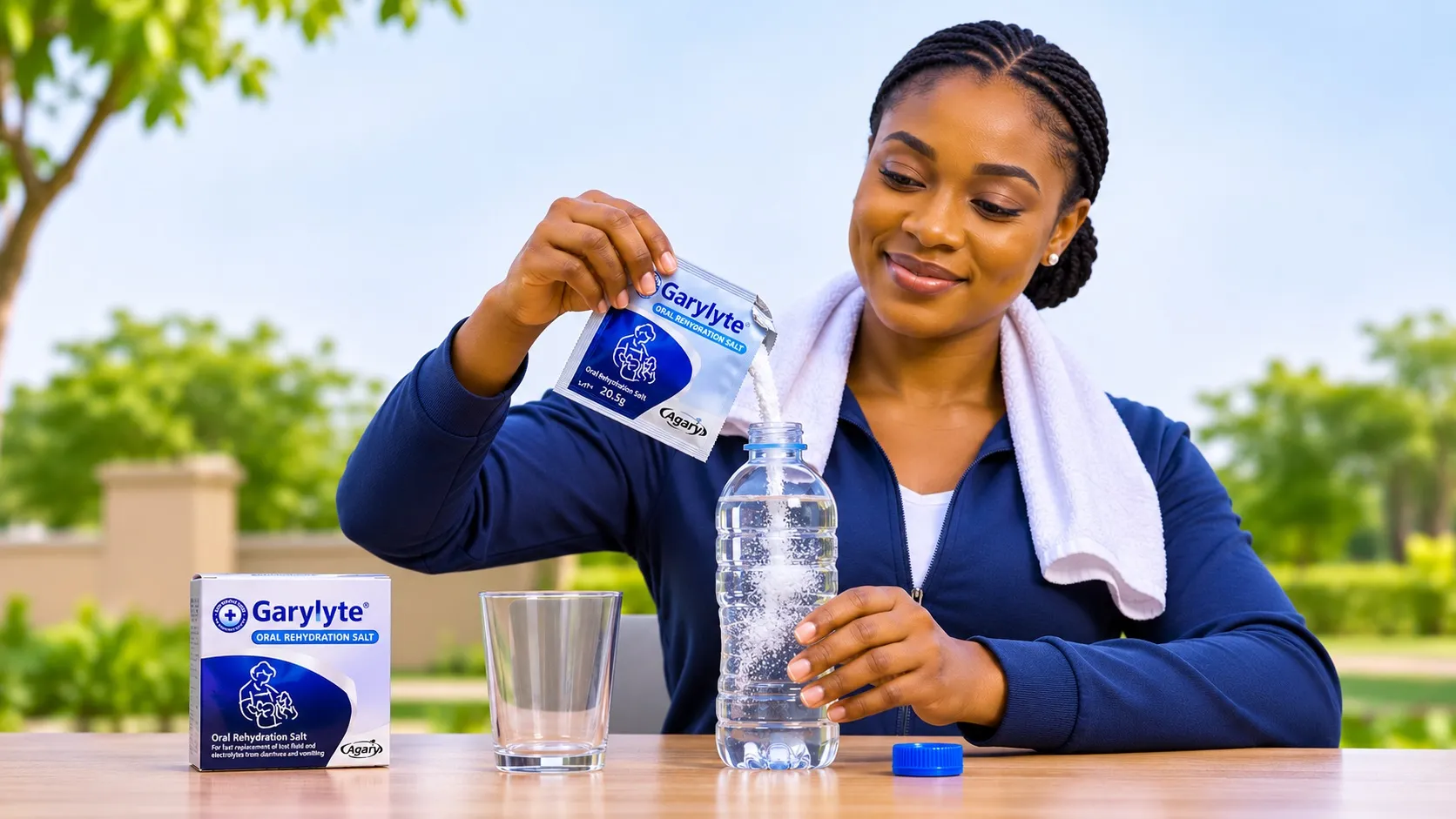
How to Use Garylyte Safely
- Prepare correctly: Dissolve one sachet in the exact volume of safe water specified on the Garylyte pack. If the pack specifies one litre, use one litre of freshly boiled and cooled water.
- Do not add extra ingredients: Never add additional sugar or salt, and do not make the solution more concentrated or diluted than instructed.
- Drink gradually: Take small, regular sips if you feel nauseated.
- Store correctly: Follow the package instructions and discard any unused prepared solution within the recommended period, generally 24 hours.
For routine sweating, water and regular meals may be sufficient. If fluid losses are substantial or symptoms of dehydration develop, ORS may be useful. People with significant kidney disease, heart failure or prescribed fluid or sodium restrictions should seek professional advice before using it.
Garylyte ORS supports rehydration; it does not replace rest, cooling or medical treatment.
When Should You Seek Medical Help?
Persistent dizziness, repeated vomiting, severe weakness or markedly reduced urination requires prompt medical assessment.
Recognise the Signs of Heatstroke
Confusion, seizures, collapse or loss of consciousness may indicate heatstroke.
Act immediately: Seek emergency medical help, move the person to a cooler place and begin rapid cooling with cool water or wet cloths while help is on the way. Do not give anything by mouth to someone who is confused or unconscious.
Stay Cool, Stay Hydrated and Stay Informed
The possibility of super El Niño conditions is a reminder to prepare, not panic. By taking simple precautions, recognising warning signs and using rehydration products appropriately, we can reduce the risks associated with extreme heat.
Stay cool. Stay hydrated. Protect yourself and those around you.
Health disclaimer: This article provides general health information and is not a substitute for professional medical advice, diagnosis or treatment. Seek medical attention when necessary.

